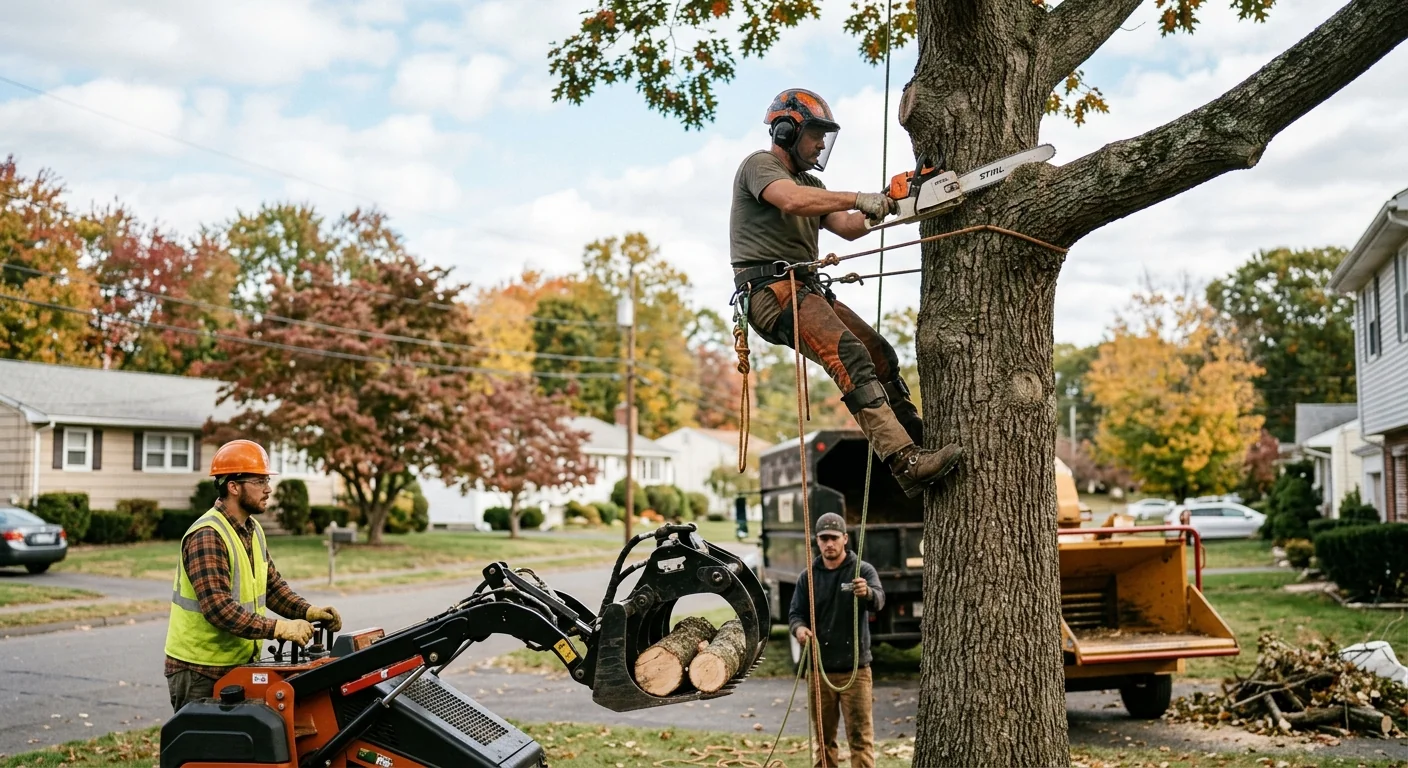
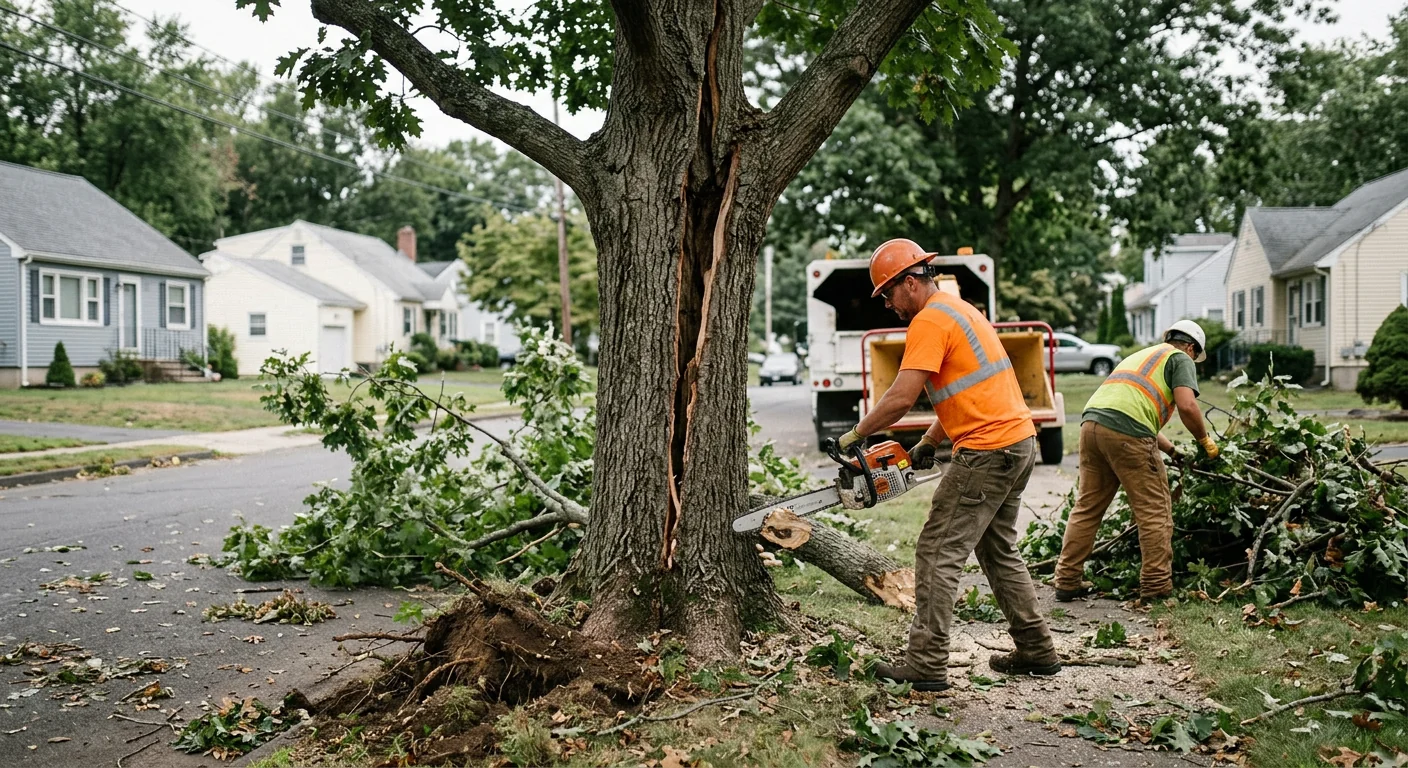
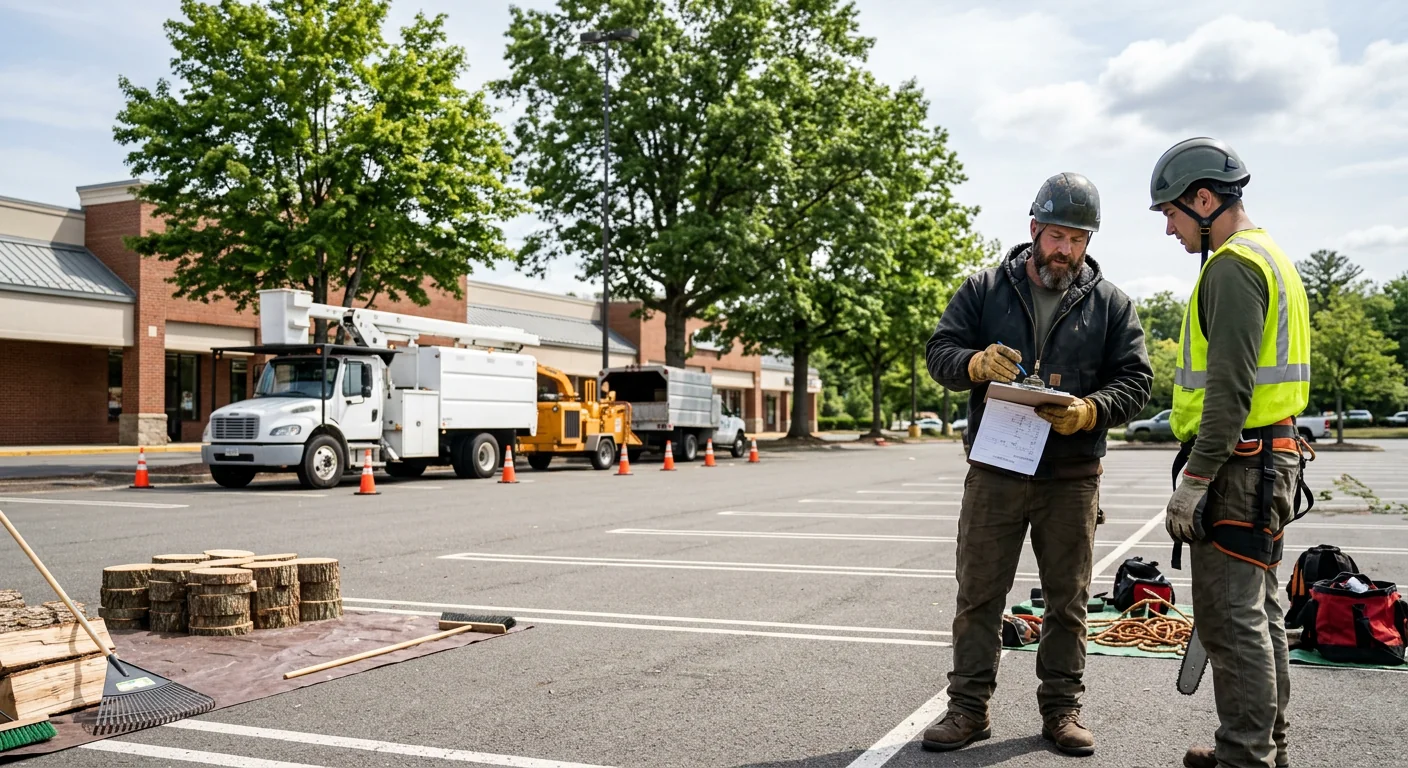
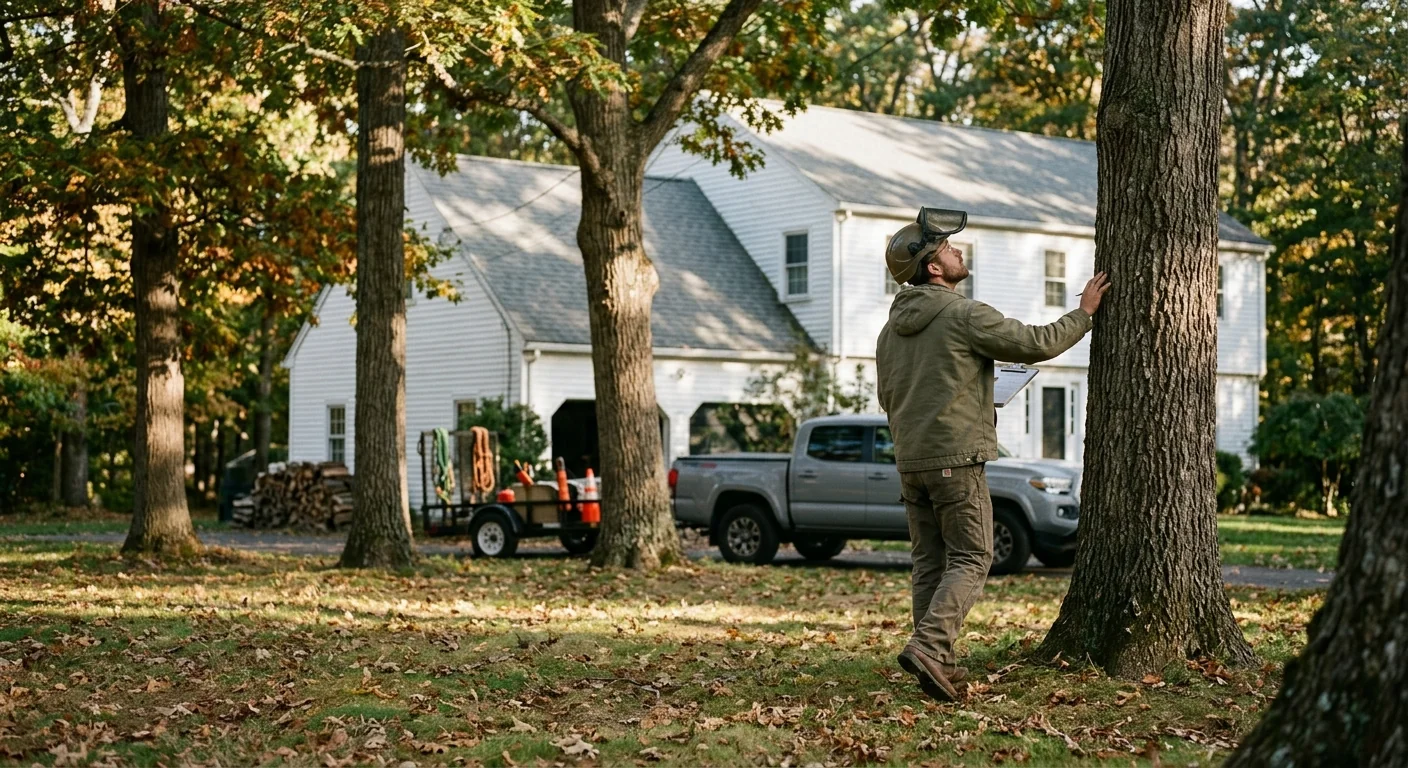
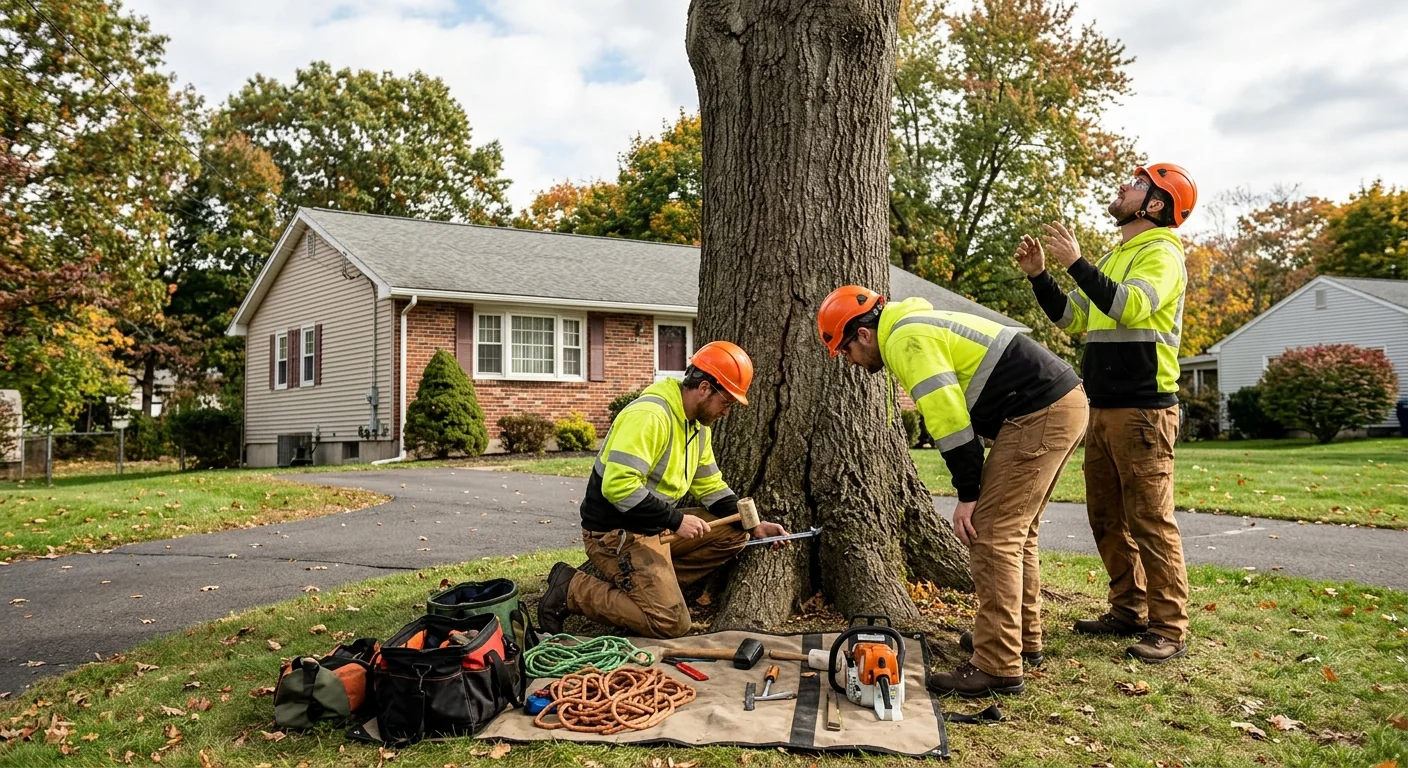
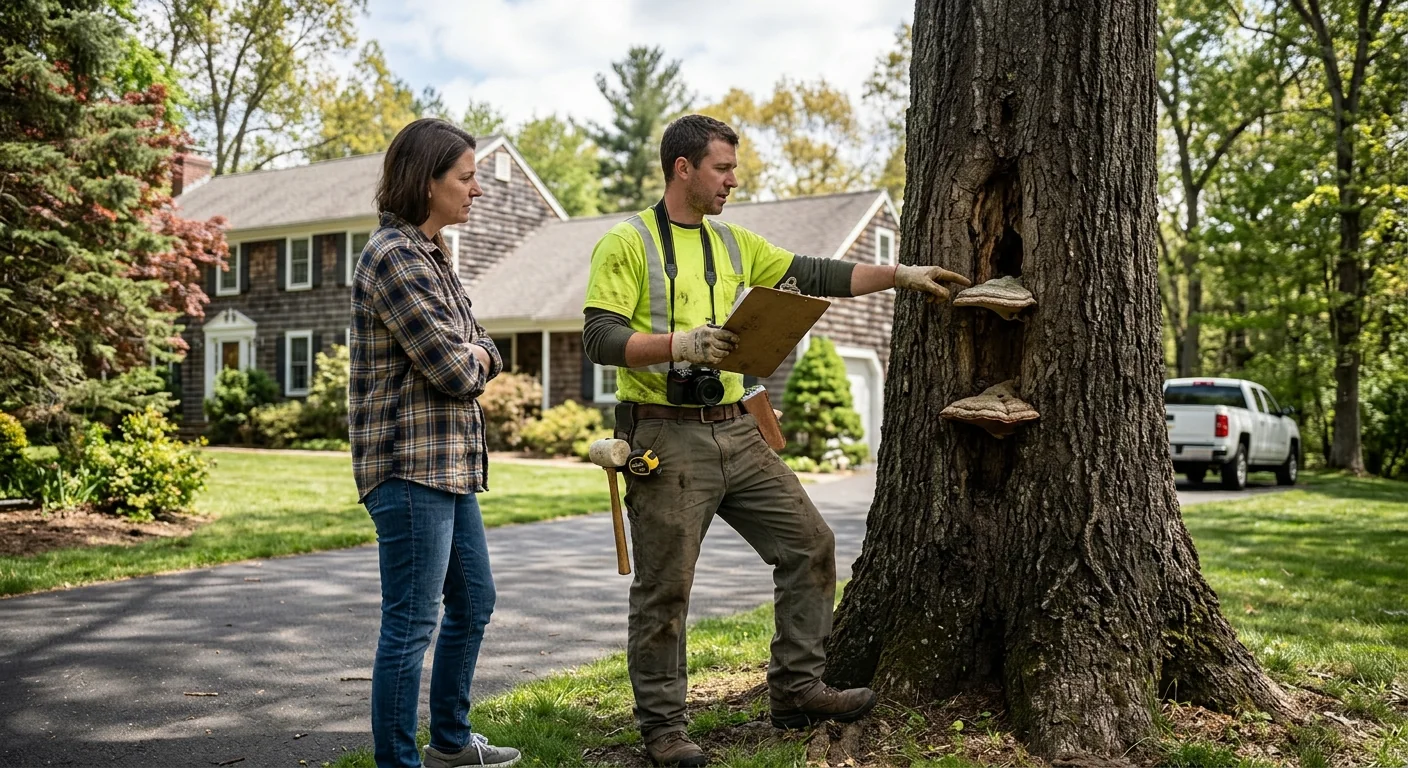
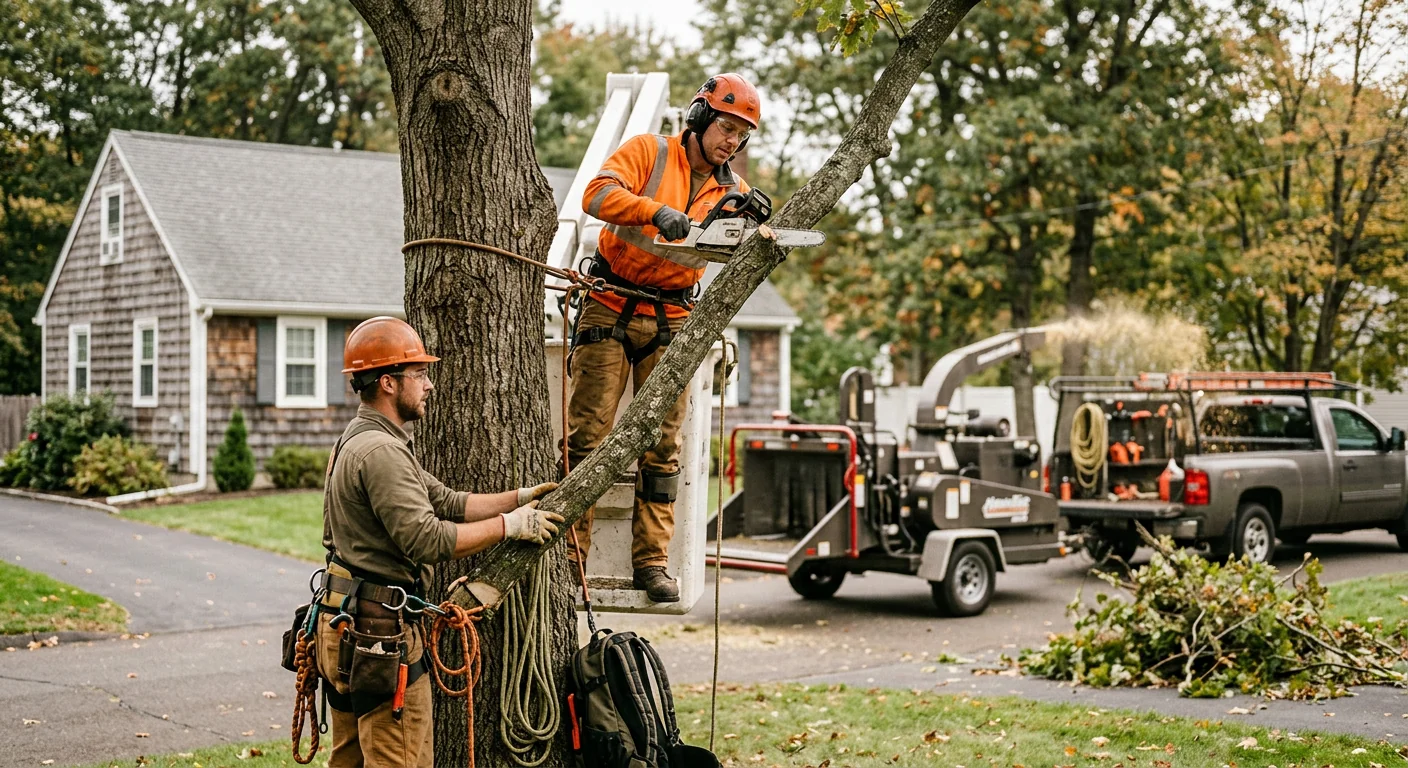
Tree Risk Assessment is a hands-on inspection that measures the structural condition of your trees, and Meriden property owners with mature oaks, storm-battered maples, or trees leaning near a house need it most. Our crew checks for decay pockets, root plate movement, and weak branch unions using targeted resistance testing and visual crown evaluation. We schedule these inspections year-round through 2026, including before storm season when weak limbs turn into real hazards. Meriden Tree Services handles the whole job start to finish.
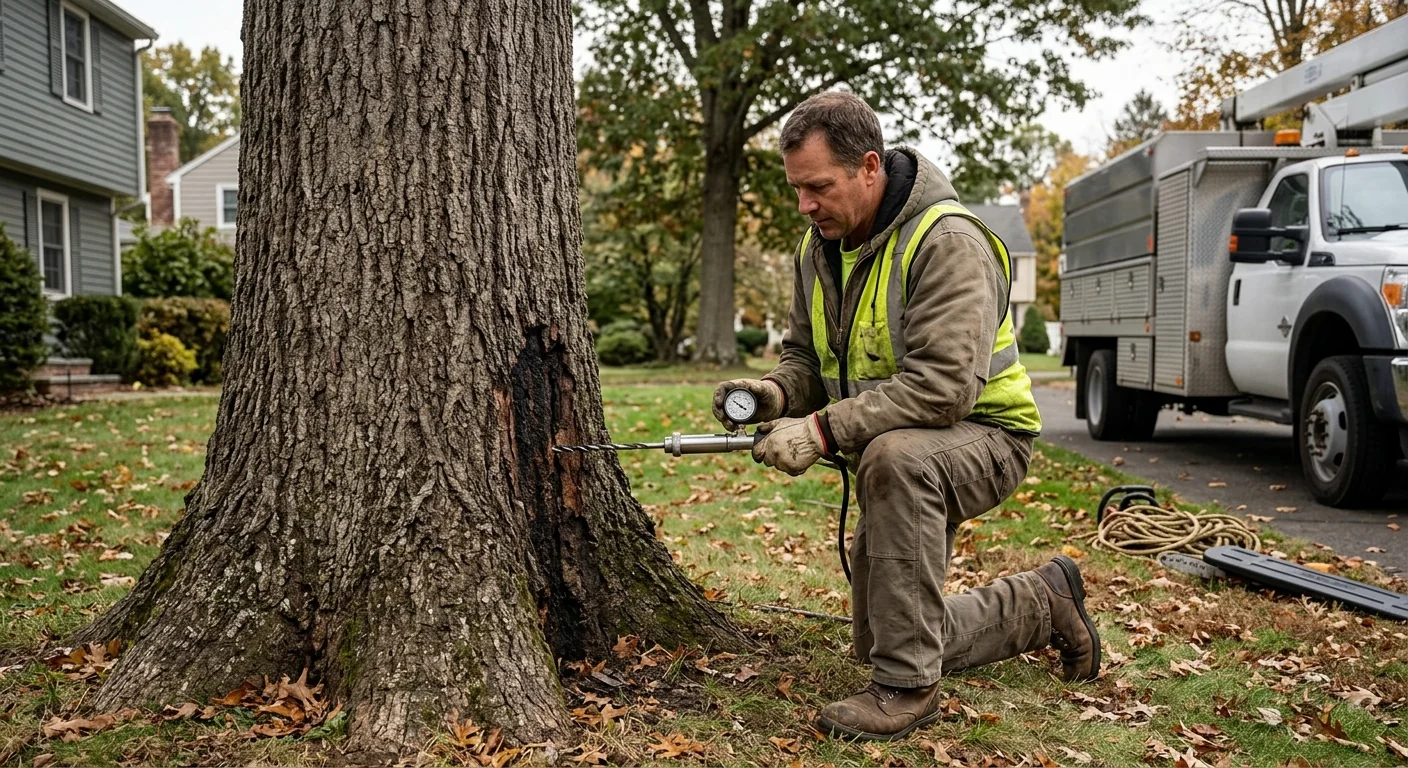
Tree Risk Assessment is the process of inspecting a tree’s structure, health, and failure potential to determine how safe it is, and at Meriden Tree Services it includes decay detection, root collar excavation, and load analysis across Meriden properties. We start with a ground-level visual inspection, then move to targeted testing where we probe for internal decay, check branch unions for included bark, and evaluate lean and root plate stability. Our crews work residential yards, commercial lots, and multi-unit properties with the same organized routine. Each finding gets logged so the report you receive is clear and usable.
Preparation keeps these jobs moving. We coordinate scheduling ahead of time, bring the right diagnostic tools to the site, and complete the inspection without tearing up your property or wasting your day. In 2026 we’re keeping assessments tight and on schedule, especially heading into spring storm season when weak limbs and compromised crowns show themselves. You get a written report with clear priorities, not guesswork. If the tree needs pruning, cabling, or removal, we lay out the next steps in plain terms.
Tree Risk Assessment Cost Factors
How Much Does Tree Risk Assessment Cost in Meriden?
Tree Risk Assessment pricing in Meriden depends primarily on the number of trees inspected, tree size and species, site access, and the depth of testing required, with most 2026 jobs falling within typical local ranges. A single mature oak with decay concerns takes more time than a quick check on a young maple, so tree count and diameter drive the base cost. Access matters too; trees tucked behind fences, structures, or on steep grade slow the inspection down. The level of diagnostics also shifts the price, whether it’s a straight visual review or resistance testing and root collar excavation. Multi-unit and commercial properties usually run higher because they involve more trees and detailed reporting. Exact pricing always requires a site visit so we can see the conditions firsthand. We provide free written estimates before any work starts.
- Signs You Need Tree Risk Assessment -
What Signs Mean Your Property Needs Tree Risk Assessment?
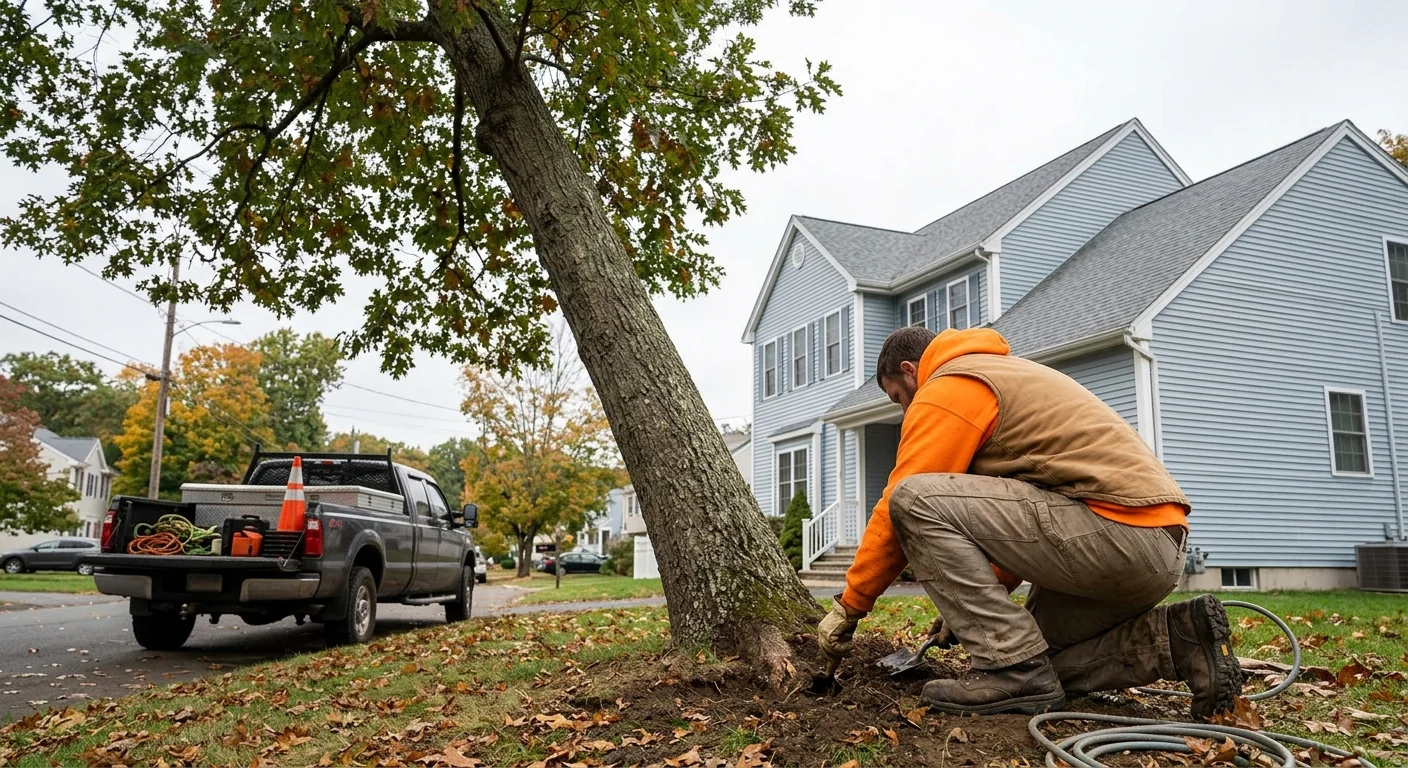
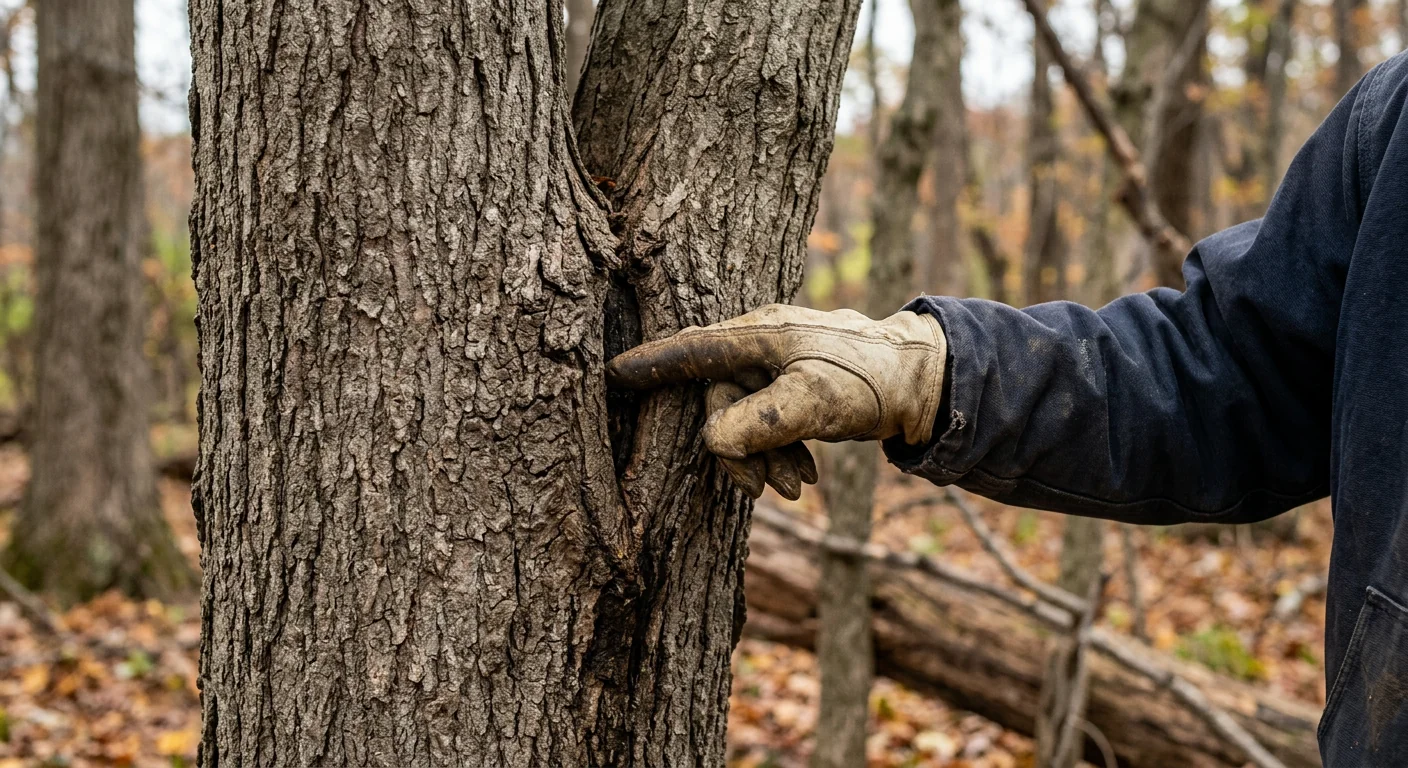
You need a Tree Risk Assessment when a tree shows structural defects that hint at future failure. Watch for leaning trunks, cracked co-dominant stems, girdling roots, and hollow cavities near the base. Heaving soil after Meriden’s 2026 spring thaw is another red flag. Fungal conks and deadwood in the canopy point to internal decay. A proper inspection catches these before they drop.
Sudden lean paired with heaving soil or exposed root plates signals compromised anchorage. After wet Meriden winters, saturated ground loosens root systems fast. We check the load bearing and stability before failure hits your home.
Cracks and Weak Unions
Co-dominant stems with included bark form weak V-shaped unions that split under wind or ice load. Visible cracks running down the trunk mean the wood is already giving. These defects need cabling, bracing, or removal decisions made early.
Decay, Cavities, and Deadwood
Fungal conks, hollow cavities, and dead limbs in the crown point to internal rot spreading through the trunk. Decayed wood loses strength you cannot see from the ground. A close inspection maps the extent and rates the hazard.
How Does Our Tree Risk Assessment Process Work?
01
Site Walkthrough and Target Review
We start on the ground, walking the property to note targets like the house, driveway, and power lines. Every tree gets logged with its species, size, and position relative to what it could hit.
02
Structural and Root Inspection
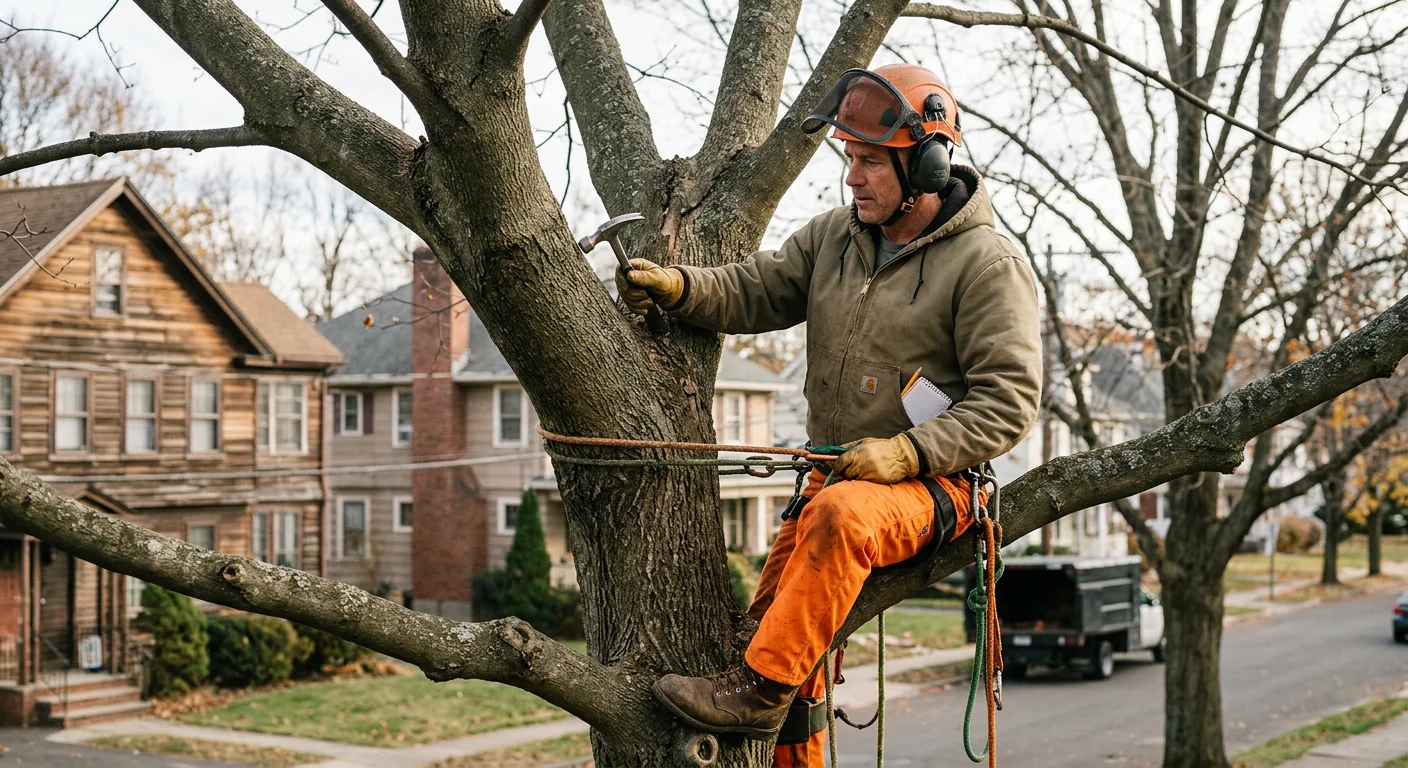
Next we check the trunk, root flare, and canopy for cracks, cavities, decay, and weak unions. Soil around the root plate gets examined for heaving or fungal signs that mean trouble below grade.
03
Defect Mapping and Load Analysis
Each defect gets rated against wind and ice load exposure common to Meriden weather. We weigh failure likelihood against what sits in the fall zone.
04
Written Findings and Recommendations
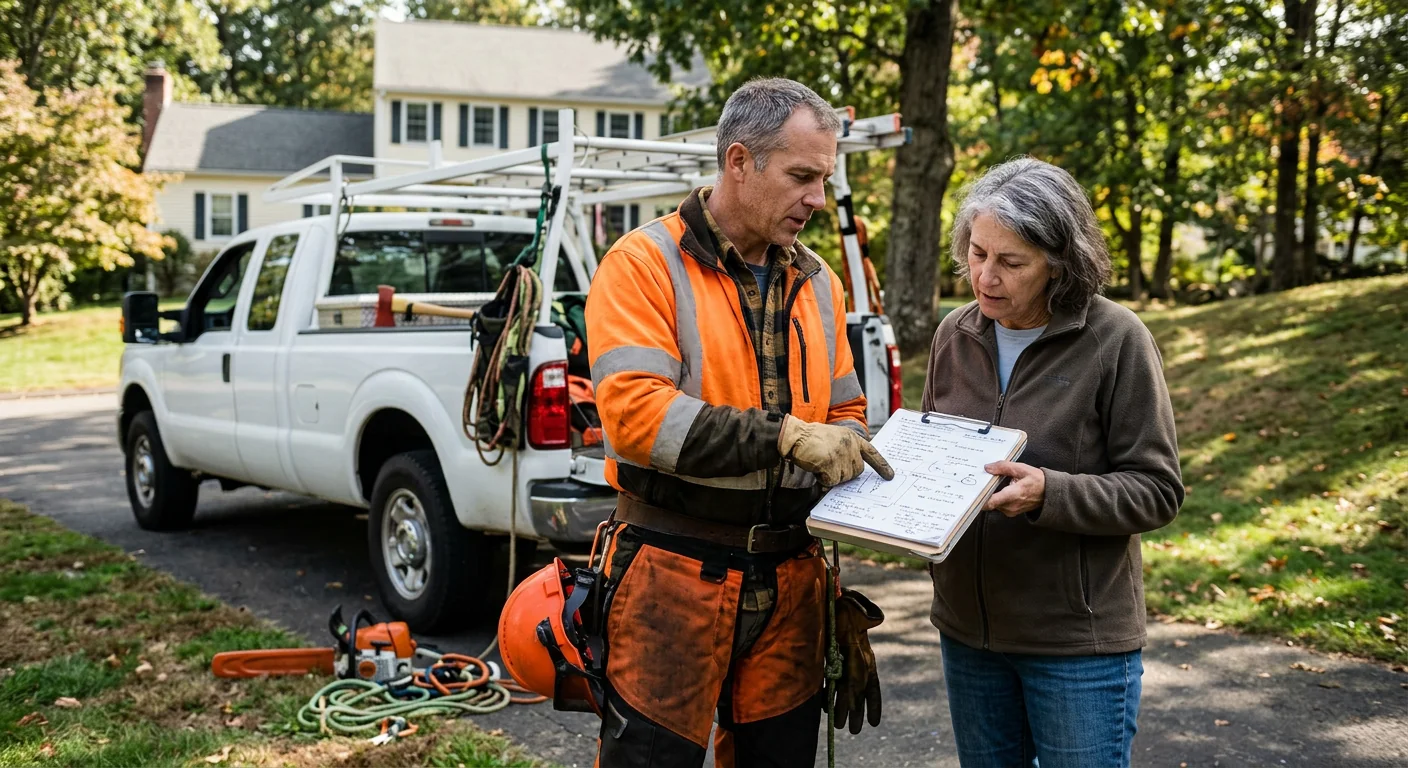
You get a written report laying out each tree’s risk rating and the recommended action. Options range from pruning and cabling to full removal, with clear reasoning behind each call.
05
Follow-Up and Scheduling
If work is needed, we schedule it on a timeline that fits your property and the season. A post-assessment walkthrough confirms priorities before any crew rolls out.
Recent Tree Risk Assessment Jobs
Recent Tree Risk Assessment Projects in Meriden in 2026
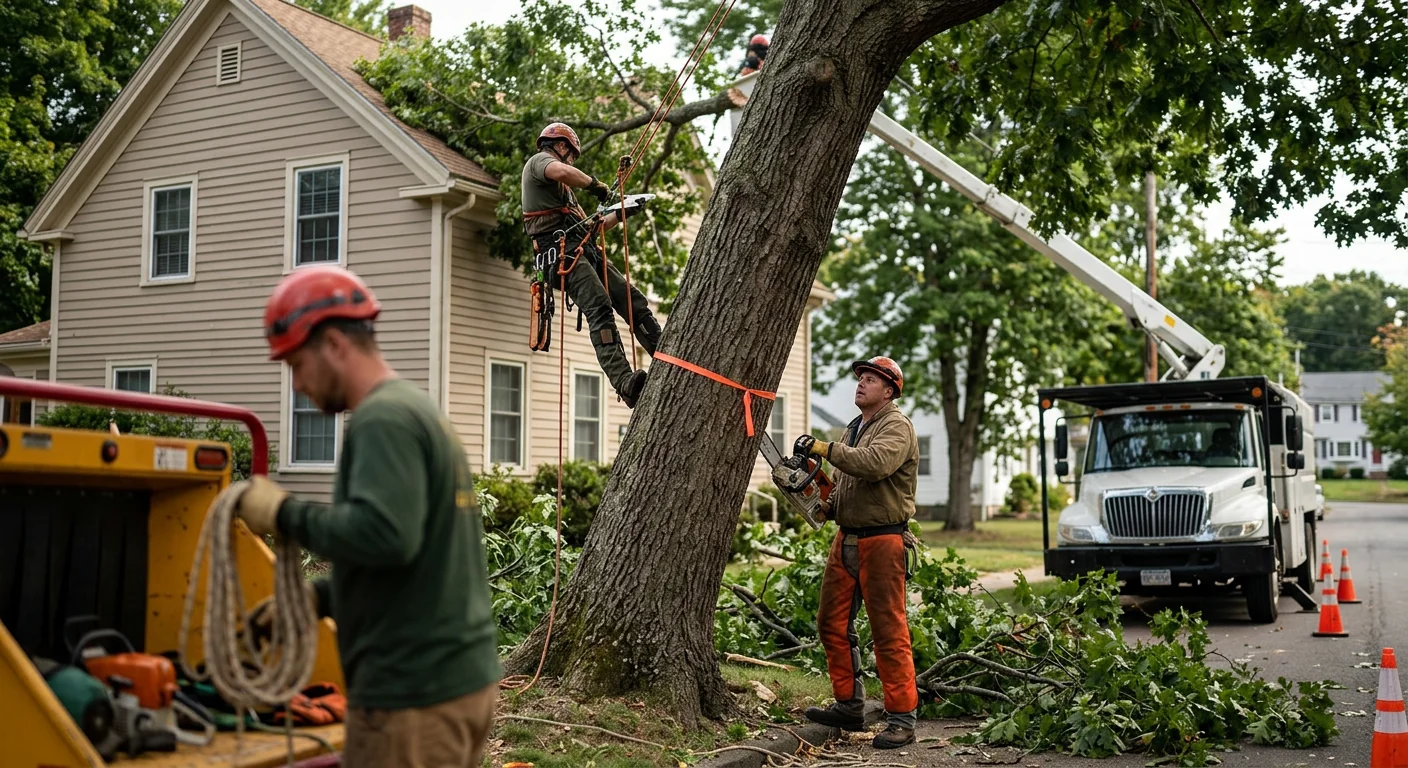
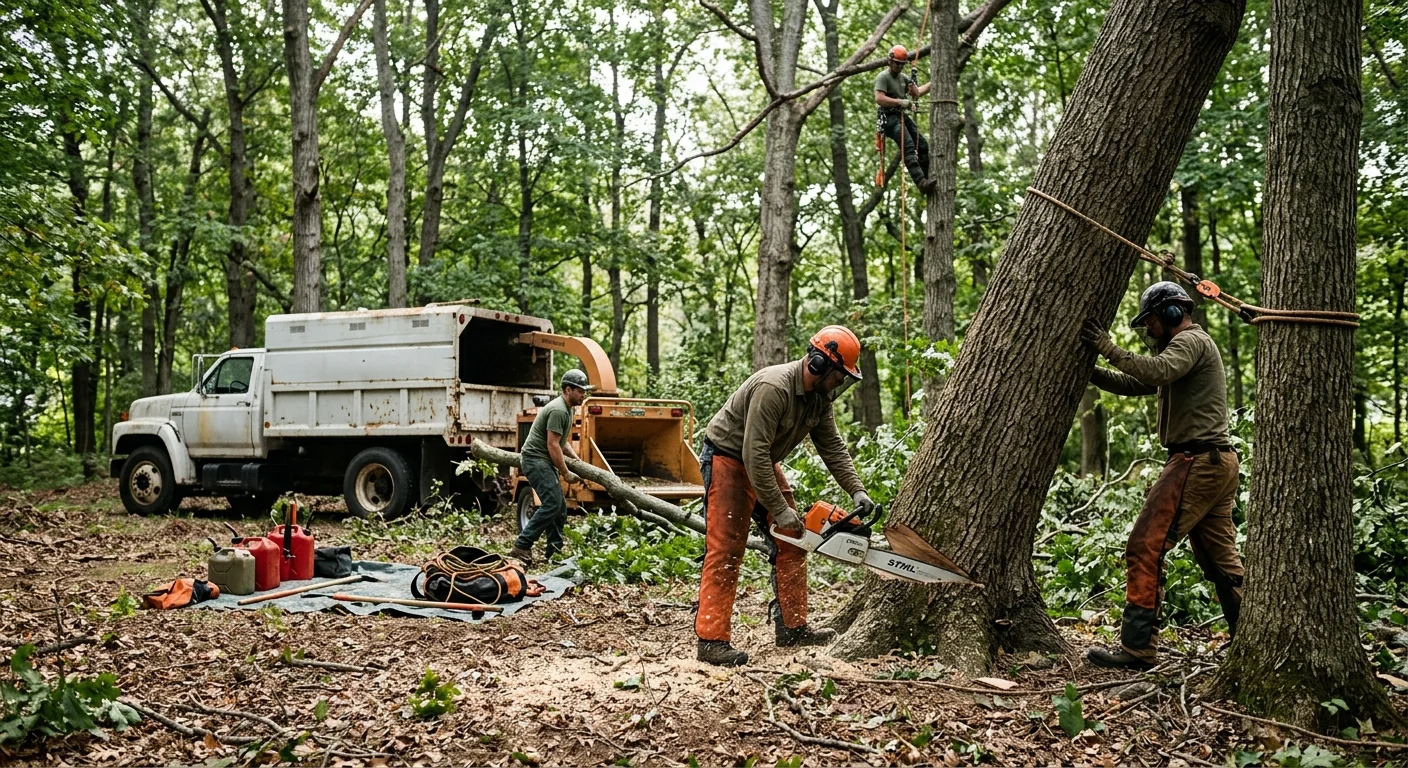
Across Meriden this 2026 season, we have run assessments on tight residential lots, wooded back acreage, and commercial frontage where mature oaks and maples crowd structures and power lines. Some jobs called for detailed root flare inspection and decay mapping on hollow trunks; others focused on weak co-dominant unions threatening rooftops. Each site gets a planned walkthrough, a written risk rating, and a clear action list so nothing drags out. We coordinate scheduling around weather windows and keep crews moving efficiently from one inspection to the next. Quality stays consistent whether the target is a single leaning tree or a full property survey. Minimal disruption, straight answers, and reports you can act on.
Why Do Meriden Homeowners Trust Us for Tree Risk Assessment?
Meriden Tree Services runs Tree Risk Assessment on a documented inspection routine, checking root flare, trunk lean, decay pockets, and canopy load before we write anything up. You get a written report with photo documentation, a clear scheduled follow-up, and a walkthrough on site. Organized, on time, no wasted trips.
Frequently Asked Questions About Tree Risk Assessment in Meriden
These answers cover the common Tree Risk Assessment questions we hear from Meriden property owners in 2026, from scheduling and what the inspection includes to how to prep your lot. Straight answers, no runaround.
We book most tree risk assessments within our regular scheduling rotation and confirm a set window so you know when the crew arrives. Assessment visits move faster than removal jobs since they involve inspection rather than heavy equipment, which keeps our routing efficient. After heavy storm seasons in Meriden, demand climbs, so booking early helps lock in a spot.
A tree risk assessment includes a structured inspection of the root flare, trunk, union points, and canopy, checking for decay pockets, cracks, included bark, and lean. We rate each tree by likelihood of failure and target impact, then hand you a written report with photo documentation. The report spells out which trees need pruning, cabling, or removal and which are stable.
Clear vehicles and movable items away from the trees you want inspected so we can walk the full root zone and drip line without obstruction. Note any trees that have dropped limbs, show fungal conks, or lean more than they used to, since that history helps our hazard rating. Access to the base of each trunk is what matters most.
Cost depends on the number of trees, lot size, and how much decay evaluation each tree requires, so we provide a written estimate before any work begins. A single specimen tree runs less than a full lot survey with multiple mature hardwoods. We walk you through the pricing on site so there are no surprises.
Meriden trees face elevated failure risk after ice loading, saturated soils, and high-wind events that stress root systems and weaken union points. Mature hardwoods with prior storm damage or root disturbance from nearby construction are the ones we watch closest. A documented assessment in 2026 catches these defects before the next big blow brings them down.
Booking a tree risk assessment in Meriden starts with a free written estimate and zero obligation to move forward. Our crew reads the site, checks root flare, trunk lean, and canopy load, then lays out exactly what we find in plain terms. You get straight answers, not guesswork. Scheduling stays fast and organized, so you know when we roll in and what happens next. We keep the process tight, coordinate the work around your property, and finish without dragging out the timeline. That means less disruption and a clear plan you can act on in 2026. Reach out today and lock in your spot for an on-site evaluation. Send an email or call to get on the schedule. Let’s get your trees checked before the next storm season hits.